



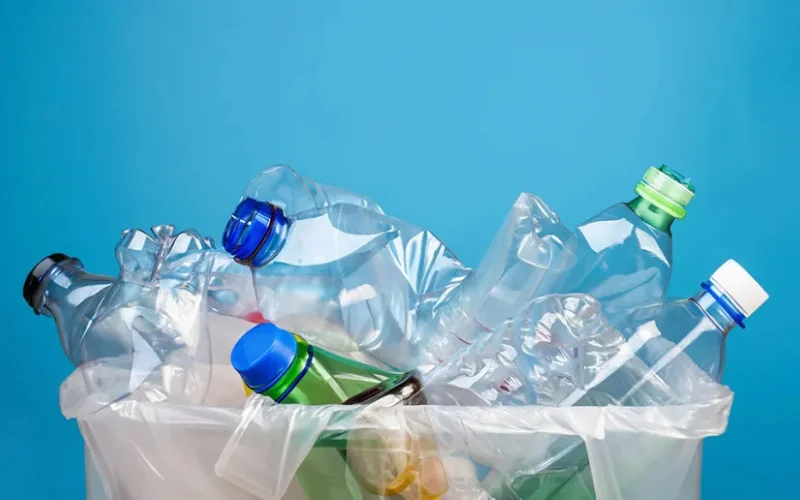

In a first of its kind achievement, researchers converted plastic waste into a useful medicine through a natural biological proces.
A groundbreaking study has revealed that scientists have successfully produced a potential treatment for Parkinson’s disease using bacteria to recycle plastic bottles.
In a first of its kind achievement, researchers converted plastic waste into a useful medicine through a natural biological process, offering new hope for improving the lives of patients suffering from neurological disorders.
Scientists at the University of Edinburgh engineered Escherichia coli (E. coli) to transform plastic commonly used in food and beverage packaging known as Polyethylene terephthalate (PET) into L-DOPA, a key drug used in the treatment of Parkinson’s disease.

Traditionally, the production of Parkinson’s medications relies heavily on fossil fuels. This innovative method, however, presents a more sustainable alternative by repurposing plastic waste into valuable pharmaceutical compounds.


