



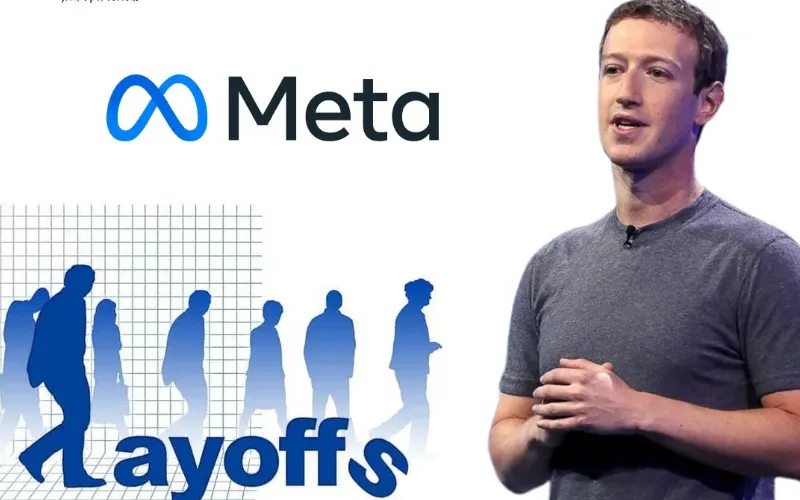

In a bold move reflecting the seismic shifts in the tech industry, Meta is reportedly weighing cuts that could affect up to one-fifth of its global workforce.
Sources suggest the tech giant is seeking to offset the immense costs of its artificial intelligence ambitions while leveraging AI to streamline operations and maximise efficiency. b6
The potential layoffs mark a critical juncture for the company as it navigates both technological innovation and organisational transformation.
According to insiders, no official date has been set for the reductions, and the final scale of the cuts has yet to be confirmed. However, top executives have already briefed senior leaders, advising them to begin planning for workforce adjustments.

If Meta proceeds with the proposed 20% reduction, it would represent the company’s largest downsizing since its 2022–2023 “Year of Efficiency” initiative, during which nearly 21,000 employees were let go in two rounds. As of December 31, 2025, Meta employed approximately 79,000 staff globally.

The push for workforce efficiency is closely tied to Meta CEO Mark Zucker berg’s aggressive investments in generative AI. Over the past year, the company has extended multi-million-dollar contracts to top AI researchers, aiming to establish a superintelligence team.
Meta has announced plans to invest $600 billion in data centres by 2028, alongside acquisitions such as Molbook, a social network designed for AI agents, and China’s AI startup Manus for at least $2 billion.
Zuckerberg has emphasised that AI-driven workflows allow projects previously requiring large teams to be completed by a single highly skilled individual, highlighting the company’s strategy to do more with fewer human resources.
Meta’s planned layoffs mirror a broader pattern in the US tech sector, where companies are restructuring in response to AI efficiencies. In January, Amazon confirmed plans to cut roughly 16,000 jobs, while fintech company Block reduced nearly half of its workforce, citing AI-enabled productivity as a key factor.
Meta’s AI ambitions have faced hurdles, particularly with the Llama 4 models, which received criticism for inconsistent benchmark performance. The release of the largest model, Behemoth, was shelved, and the new superintelligence project Avocado is still seeking to meet expectations.
As Meta navigates this critical period, the proposed workforce adjustments underscore the company’s attempt to balance rapid AI innovation with operational efficiency.
With AI investments promising transformative potential, the coming months will be pivotal in determining Meta’s global standing and workforce structure in an increasingly automated landscape

