



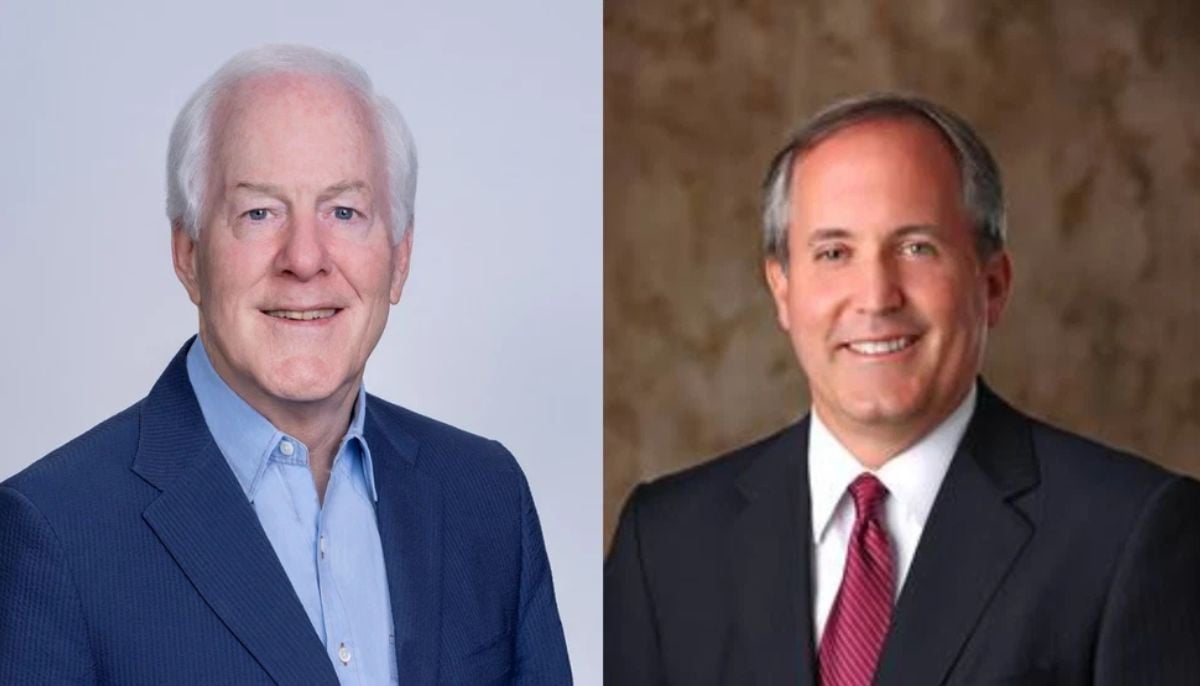

The Texas Senate election follows a crucial schedule, prompting a significant shift as Texas Republicans head into three months of campaigning and mudslinging. This comes after the U.S. Sen. John Cornyn and Texas Attorney General Ken Paxton advanced to a May 26 runoff in the Republican primary for the US Senate.
Following the latest results, John Cornyn holds a narrow lead over Ken Paxton, with approximately 43% of the vote to Paxton’s 40%. The two rivals remain neck-and-neck as additional Election Day continues to proceed in key counties.
According to the Associated Press, it was declared before 10 p.m. that Cornyn and Paxton would make it to a runoff.
Cornyn, a long-serving official first elected to the US Senate in 2002, is being confronted by Paxton and US. Rsp. Wesley Hunt in a race that has garnered immense focus and could carry significant implications. Meanwhile, Hunt has been gaining traction and pulling votes away from the other two frontrunners- a factor that experts say will likely force a runoff.

Notably, Trump did not back a candidate prior to Tuesday’s primary. The president’s potential endorsement could prove decisive in the runoff, as allies of both candidates urge the White House to mitigate damage to the eventual nominee amid a surge of Democrats’ enthusiasm nationwide.

Cornyn campaign manager Andy Hemming said: “Tonight’s election results are great for Senator Cornyn and everyone who wants to see Trump’s agenda continue to advance through the midterm elections.”
Cornyn is a conservative with a long history in Texas Republican politics, serving on the state Supreme Court and as the state’s attorney general before his election to the Senate in 2002.
Conversely, Cornyn is considered their safest bet on retaining the Senate seat in reliably red Texas. However, Paxton- the three-term state attorney general-has a record of backing Trump specifically on his debunked claims of election fraud that preceded January 6.
Nonetheless, this is the first time in over 50 years that an incumbent Texas Senator has been forced into a primary runoff. The coming weeks will determine how the battle unfolds against a flawed opponent, as Texas voters increasingly look for an alternative.

