




Hong Kong is positioning itself as a strategic safe haven and a resilient trade hub in the wake of the latest US Trump’s decision to impose a new 10% tariff on imports entering the US.
The recent decision will benefit Hong Kong as a trade hub with officials arguing that rising protectionism would ultimately work in its favor. The move is part of a broader trade strategy that has raised concerns and unsettled global markets worldwide.
According to officials as US trade barriers rise, companies may look for alternative routes while partnering with financial centers to mitigate risks. Hong Kong’s low-tax environment and deep capital markets could make it more appealing for businesses seeking flexibility amid shifting trade policies.
In this regard, the secretary for financial services and the Treasury, Christopher Hui, called the tariff situation in the US a “fiasco” during an interview with Commercial Radio Hong Kong.

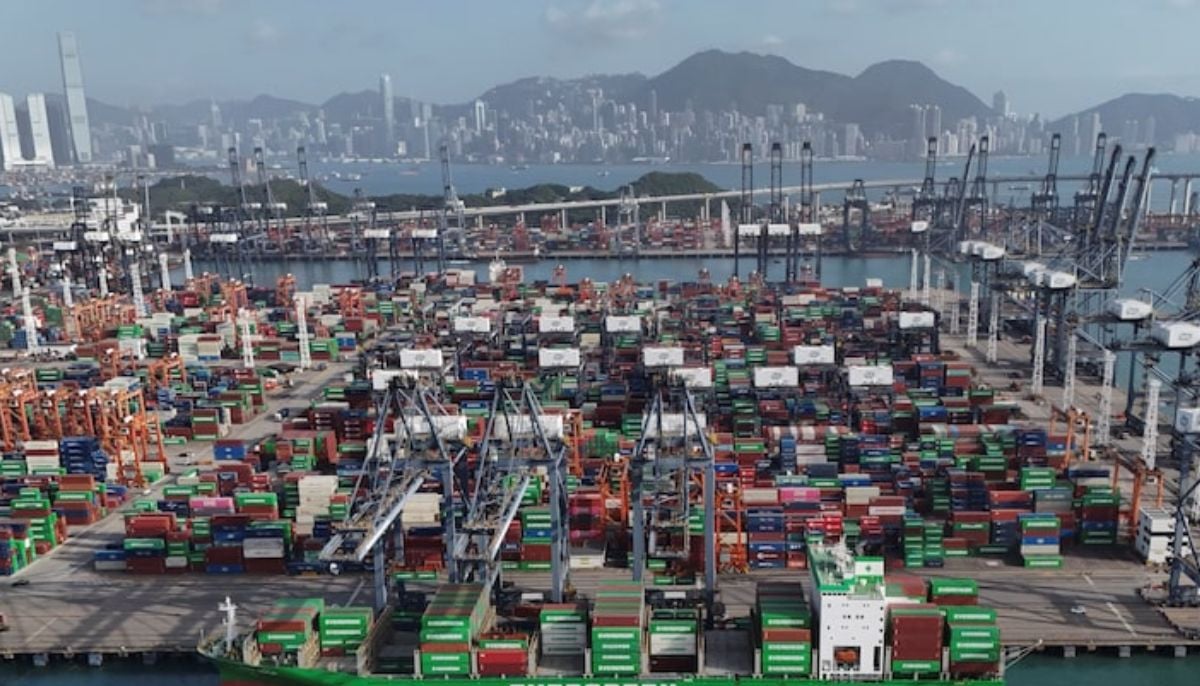
Moving forward, it has been observed that the city’s container terminals in Kwai Tsing remain among the busiest in the world.

The recent decision of imposing tariffs disrupts direct trade channels; consequently, intermediaries like Hong Kong could see increased relevance. According to analysts, while some regions would benefit from trade diversion, prolonged tariff battles can also curtail global growth and investment confidence. The key concern is whether this can translate geopolitical uncertainty into sustained economic momentum.
The city has experienced its own economic challenges in recent years, including slower growth and changes in global capital flows. Hong Kong’s position as a free port and international financial gateway is offering new hope to investors that the city will remain a resilient hub in global commerce. With the recent shift in trade policies, Hong Kong is positioning itself not as a legal obstacle, but as a primary beneficiary.

