



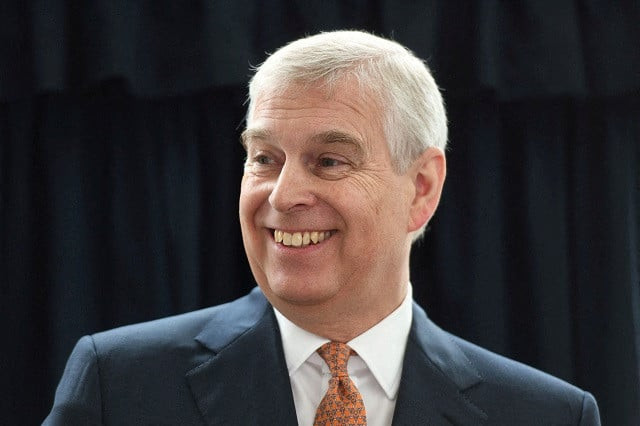

Former prince faces allegations of sending confidential government documents to Jeffrey Epstein
King Charles’ younger brother Andrew Mountbatten-Windsor was on Thursday arrested on suspicion of misconduct in public office over allegations he sent confidential government documents to Jeffrey Epstein, the BBC reported.
Thames Valley Police said earlier this month officers were considering allegations that Mountbatten-Windsor had passed documents to the late convicted sex offender, according to files released by the US government.
“Thames Valley Police have opened an investigation into an offence of misconduct in public office,” the force said in a statement on X. “A man in his sixties from Norfolk has been arrested and remains in police custody. As per national guidance we will not name the arrested man.”

Thames Valley Police have opened an investigation into an offence of misconduct in public office.

A man in his sixties from Norfolk has been arrested and remains in police custody. As per national guidance we will not name the arrested man.
Read more: https://t.co/wehZDx4InV pic.twitter.com/b23l2KeOHG
— Thames Valley Police (@ThamesVP) February 19, 2026
Earlier, newspapers had reported that six unmarked police cars and around eight plain clothed officers had arrived at Wood Farm on the Sandringham estate in eastern England where Mountbatten-Windsor, whose 66th birthday falls on Thursday, now lives.
The former prince, the second son of the late Queen Elizabeth, has always denied any wrongdoing in relation to Epstein, and said he regrets their friendship. But he has not responded to requests for comment since the latest release of documents.
There was no immediate comment from Buckingham Palace. Mountbatten-Windsor had been reported to police by the anti-monarchy campaign group Republic following the release of more than 3 million pages of documents relating to Epstein, who was convicted of soliciting prostitution from a minor in 2008.
Those files suggested Mountbatten-Windsor had in 2010 forwarded to Epstein reports about Vietnam, Singapore and other places he had visited on official trips.
Thames Valley Police and the Crown Prosecution Service have previously said that they were in discussions about the case. Police said allegations of misconduct in public office, which is a ‘Common Law’ offence and so is not covered by written statute legislation, involved “particular complexities”.

