



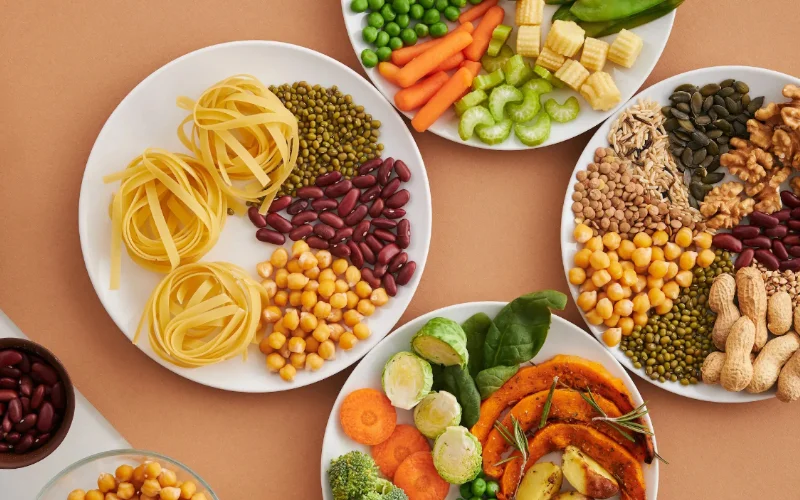

Fiber has long been regarded as an effective remedy for digestive issues, with health experts frequently recommending fiber-rich foods, vegetables, and an increased daily intake to promote gut health.
Fiber is known to support bowel function, prevent constipation, and aid digestion. However, nutrition specialists caution that simply increasing fiber consumption is not always the correct solution for every digestive complaint.
According to experts, many people assume that eating salads alone provides sufficient fiber. In reality, if an individual requires approximately 30 grams of fiber per day, they would need to consume more than 15 bowls of salad to meet that target.
By comparison, a similar amount of fiber can be obtained from one avocado, two teaspoons of flaxseeds, and two tablespoons of chia seeds. For those who cannot incorporate avocado into their daily diet, alternatives such as pears or guava combined with chickpeas can serve as effective substitutes.

Nutritionists emphasize that, much like protein, fiber is not universally beneficial in every situation. For years, increasing fiber intake has been widely promoted as a primary treatment for bloating, gas, constipation, and heaviness. Yet many individuals report little or no relief despite raising their fiber consumption.

Experts stress that digestive health depends not only on the quantity of food consumed but also on the correct balance and sequencing of nutrients. Simply eating more fiber is not a guaranteed fix; understanding what is being eaten and how it is incorporated into the diet is equally important.
In particular, insoluble fiber — which does not dissolve in water — may be harmful in certain cases. Individuals suffering from Small Intestinal Bacterial Overgrowth (SIBO), chronic constipation, or a sluggish and sensitive digestive system may experience worsening symptoms with high fiber intake. In such conditions, excessive fiber can increase pain and bloating, slow bowel movements, promote fermentation in the gut, and further disrupt digestion.
Health professionals therefore advise that adding large amounts of fiber should not automatically be the first step in addressing gut health concerns. Instead, dietary adjustments should be tailored to an individual’s specific digestive condition and nutritional needs.

